Best documentary film from Cannes festival closes FAST FORWARD 2019
The Jubilee X edition of the Human Rights Film Festival FAST FORWARD Montenegro ends today with screenings in Podgorica and Kotor.

The Jubilee X edition of the Human Rights Film Festival FAST FORWARD Montenegro ends today with screenings in Podgorica and Kotor.
Regional authors strongly contribute to the development of films that address human rights as well as films dealing with the past, thus informing about historical events and shaping collective consciousness of society.
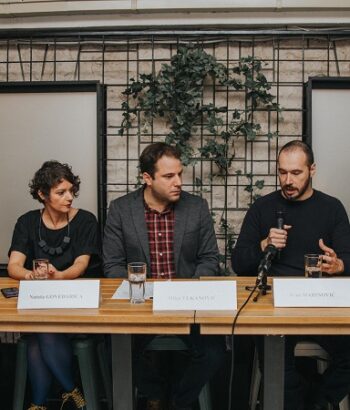
X FAST FORWARD Human Rights Film Festival Montenegro 2019 is entering its fourth day today and the audience in Podgorica will have the opportunity to see five screenings, while the sixth edition of the FAST FORWARD Festival will be opened in Kotor.
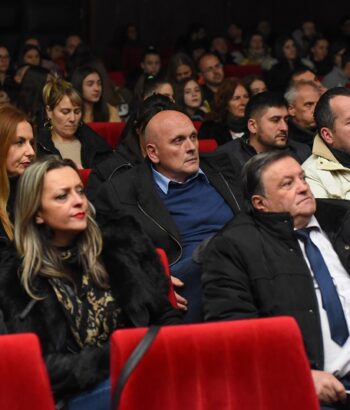
The overcrowded Hall of the Culture Centre Berane at the opening of the Berane edition of the FAST FORWARD Festival, organized by the Centre for Civic Education (CCE), in cooperation with the Berane Municipality, Cultural Centre Berane and Gymnasium ’Panto Malisic’, confirms that this concept of communicating human rights reached broad audience in this city.
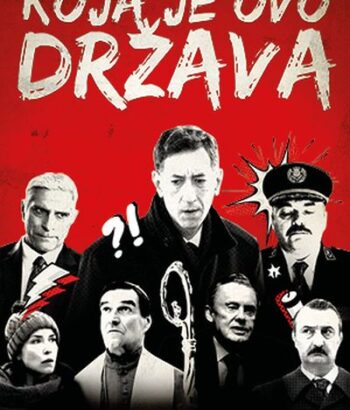
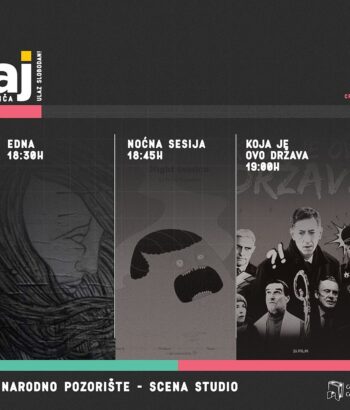
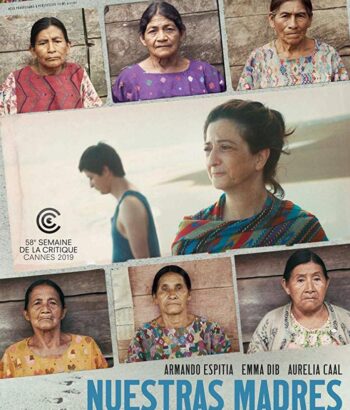
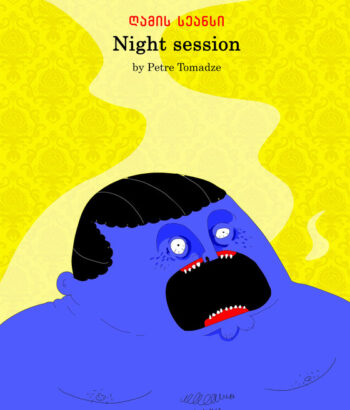
The second day of the FAST FORWARD Festival 2019 brings five films: Our Mothers by Cesar Diaz, Edna by Macedonian director Vuk Mitevski, Night Session by Petra Tomadze, What a country! by Vinko Bresan and Cold Case Hammarskjöld by Mads Brugger.
At the territory of the former Yugoslavia, the only culture that is stronger than the crime culture is the culture of oblivion, as assessed today at the opening of the exhibition of photos “BEHIND THE SEVEN CAMPS: From Crime of Culture to Culture of Crime”, by Hrvoje Polan, organised by the Centre for Civic Education (CCE) and German Forum ZfD, within the X jubilee edition of the FAST FORWARD Human Rights Film Festival Montenegro at the Montenegrin National Theatre.
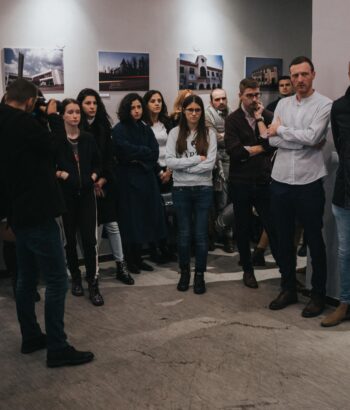
Centre for Protection and Research of Birds (CZIP), Zenepa Lika and Dr Milena Popovic Samardzic got the Centre for Civic Education (CCE) awards for affirmation of human rights and civic activism within the X jubilee edition of the FAST FORWARD Human Rights Film Festival Montenegro.
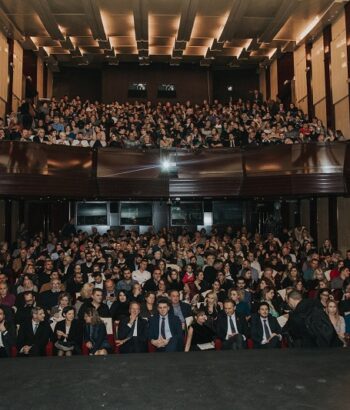
This year’s X jubilee edition of the Human Rights Film Festival FAST FORWARD Montenegro has its thematic focus on dealing with the past, gender equality and LGBT rights, with numerous crosscutting contemporary human rights challenges communicated through impressive most recently produced films.

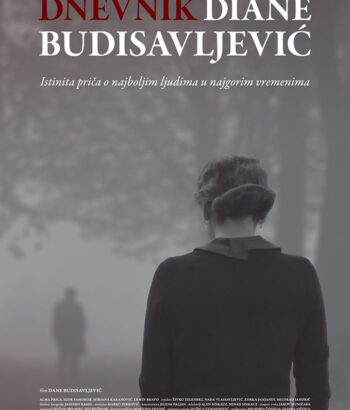
This is a true story about the great people in the worst of times. Diana Budisavljevic and her husband, a doctor, daughters and newly born granddoughter live the life of a high-class in Zagreb. In the fall of 1941, she learned that Jewish and Serbian women were being taken to the detention camps where they were left to die from hunger and disease. The Jewish municipality sends aid to the Jews, but no one cares about the Serbian women. She initiates and leads an action that will save more than 10,000 children from certain death in the Ustasha camps by the end of the war.
This year’s Belgian Oscar nominee deals with the aftermath of a long-running civil war in Guatemala that resulted in the ethnic cleansing of indigenous peoples. The year is 2018 and the whole country is preoccupied with the trials of former Civil War commanders, with victim statements coming from all sides. Ernesto is a young forensic anthropologist whose job it is to identify the bodies of the dead. One day, in the story of an old witness, he notices a clue that might lead him to the father of a guerrilla who disappeared in the war.
Edna is a short-animated film inspired by the refugee crisis, where Macedonia played the unfortunate role of a transit country. In its essence, it is a love story set in very unusual circumstances, told in a very abstract and poetic manner. The film is dedicated to great number of women activists who fought for basic human right – right to exist.

This film explores how neighbours sharing a courtyard are both shaped by, and indifferent to, domestic violence.
The film consists of three stories whose structure and interconnections we discover throughout the film. The main characters are a general who feels a strong desire to commit suicide, disappointed in what Croatia has become, a minister in the Government of the Republic of Croatia who, without a court verdict, imprisons himself in a cell because assessing that his place is there, as well as a group of parents of different nationalities (Croats, Serbs and Bosniaks) who, by excavating dead presidents of the Republic of Croatia and the Republic of Serbia, want to force the governments of these countries to finally find their children who disappeared during the war.